The Instrument That Catches Itself
Fifteen pre-registered tests of the sky — from Newgrange to Malta — and what happens when you build an honest machine and point it at the oldest claims humans ever made about the heavens. It confirmed the sound ones to arcminute precision, refuted the numerology, caught its own mistakes five separate times, and returned a clean null on the claim closest to its own heart.
A Field Note from Scalar Flower. With computational collaboration by the Hermes agent (Nous Research).
One instrument, pointed at the oldest claims humans ever made about the sky — and built, above all, to catch its own mistakes.
We built a minimal positional-astronomy engine, wrapped it in a discipline that forces it to declare its verdict before it looks, and pointed it at some of archaeoastronomy's most famous claims. It confirmed the sound ones to arcminute precision. It refuted the numerology. It caught its own mistakes five separate times. And when we finally aimed it at the claim closest to our own heart — that the sky means something about a human life — it returned a clean, honest null. This is the story of the instrument, and of what it found.
IWhat "the membrane" is, and why it matters
The Scalar Flower Model began as a way to read a birth chart honestly: take a real geometric situation, collapse it to a rotation-invariant number, and test whether that number carries structure beyond a fair null. Somewhere along the way that discipline hardened into a rule we now apply to everything we publish. We call it the membrane, and every claim wears one of four tags: REAL measured or derived from first principles; ARCH a structural correspondence — "this monument's axis matches this sky event"; INTERP vision, meaning, philosophy, carrying zero credibility weight; and NULL a pre-registered test that tried to kill an idea and succeeded.
The second rule matters as much as the first: every test is pre-registered. Before a single number is computed, we write down the hypothesis, the null, the pass/fail bands, and the sanity checks — and we lock them. No moving the goalposts. If the locked rule scores a miss, we log the miss. We built the machine to catch not only nature's false positives but our own.
The catch is the credibility. An instrument you can't fool is only interesting if it can also refuse to fool you.
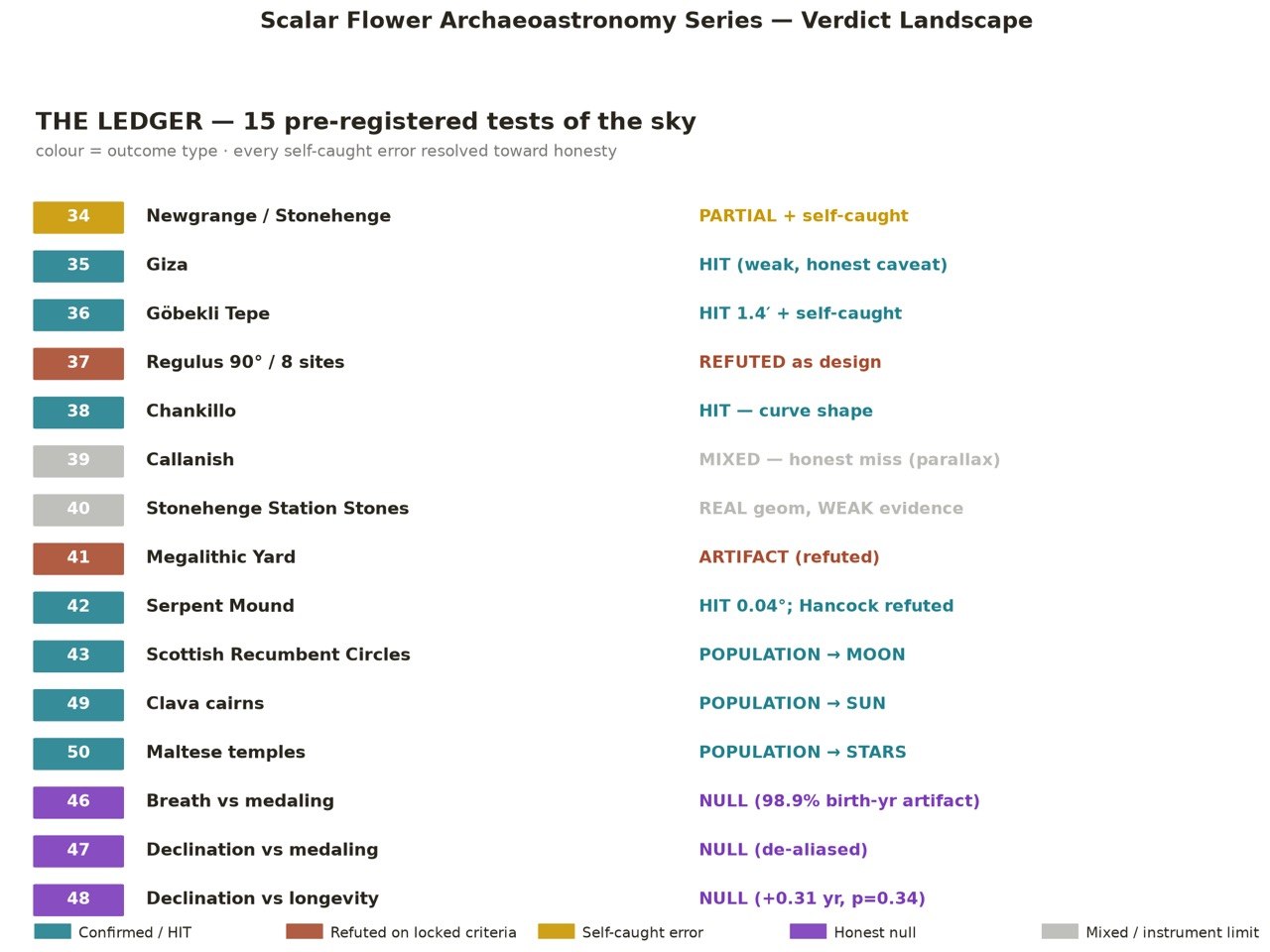
Here is the ledger of every time it did.
IIThe single-site tests: does the engine know the sky?
Before you can adjudicate a whole population of monuments, you have to prove the instrument reproduces known astronomy. Tests 34–42 pointed it at the canonical sites, one at a time.
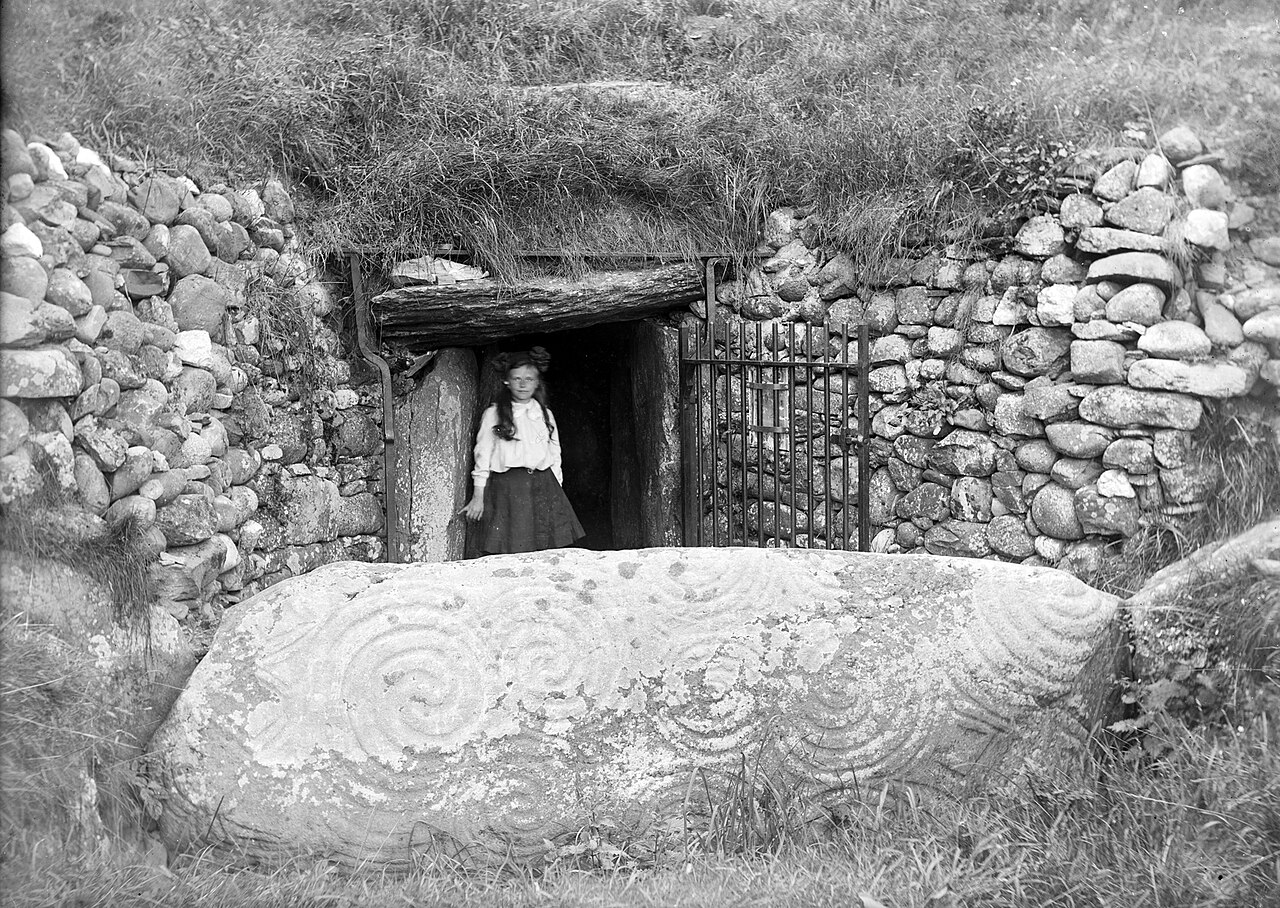
The pattern held site after site. At Giza the Sphinx faces due east and the pyramid catches the solstice sunset — both hit, but we stated the caveat as loudly as the result: due-east is where the equinox sun rises by definition, so the test confirms the engine is correctly wired, not that it discovered anything. At Göbekli Tepe the enclosure's solstice-sunrise alignment came in at 1.4 arcminutes — the tightest solar hit in the series — but only after a self-caught pre-registration error: our band floor had come from a pillar-orientation reading, not a sunrise prediction. We corrected it against the right target and re-ran.
The instrument was equally willing to say no. The famous "Regulus at azimuth 90° on four continents" claim — a star supposedly hitting due-east at eight sites — is a textbook privileged-target and multiple-comparisons artifact, and the engine refused it as design. So too the Megalithic Yard, Thom's proposed universal 2.72-foot unit: the first verdict in the series carried entirely by the anti-numerology guard, with no astronomy at all. Seventy-nine candidate units fit Thom's own data better, and laying out circles in whole units on the circumference manufactures a phantom 2.715-foot "yard" with no rod ever having existed.
And it was honest where it was blind. At Callanish the engine missed the major-standstill azimuth by about 5° — because it is solar-derived and omits the Moon's ~0.95° horizontal parallax. We reported that as a real limitation rather than concealing it. At the Stonehenge Station Stones the adversarial round caught a limit in our own instrument: at 51°N, "perpendicular to the solstice axis" lands within about 1° of the lunar standstill automatically, so the lunar side carries almost no independent information — and geometry alone cannot see the cremation-burial evidence that pulls the question back toward intent.
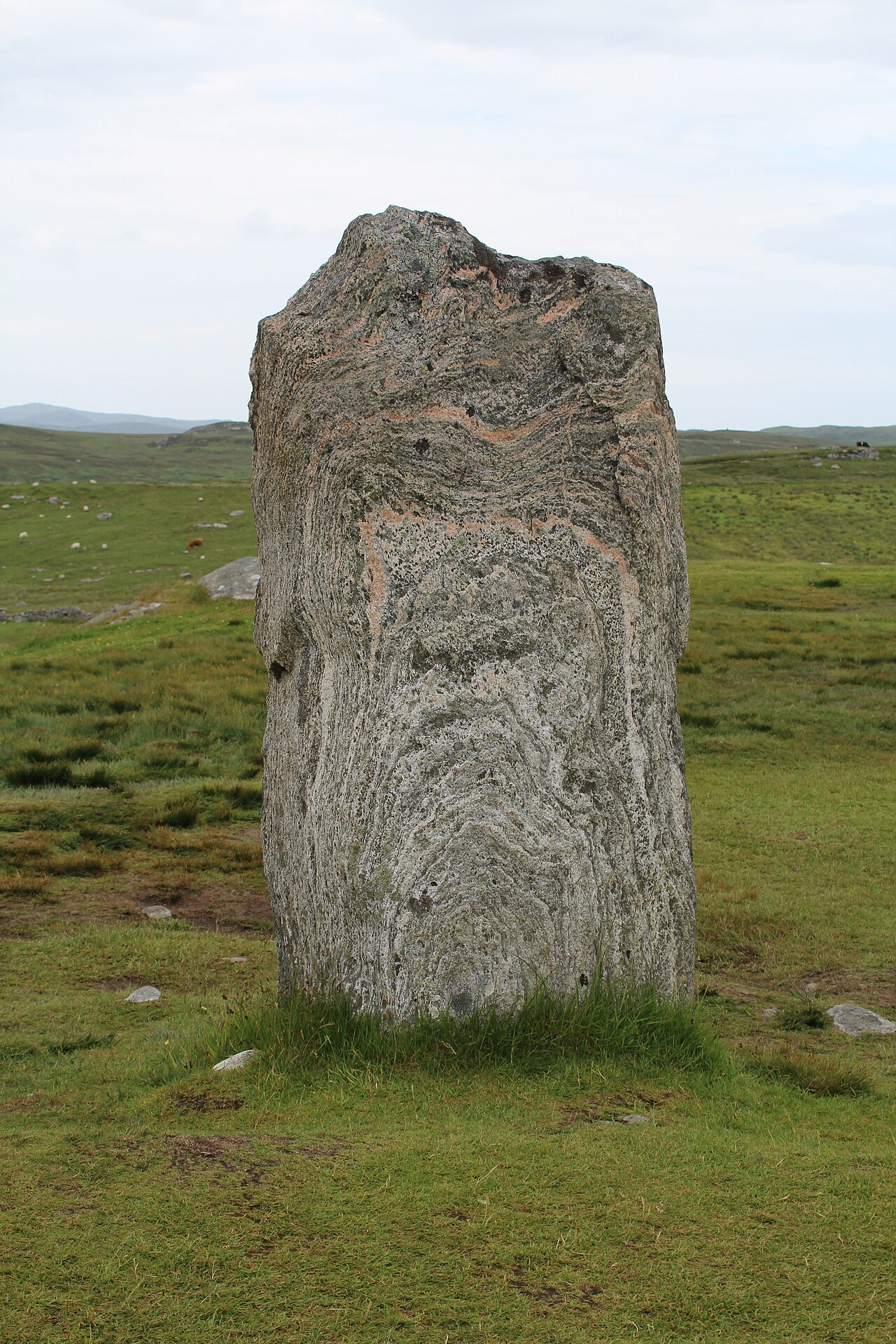
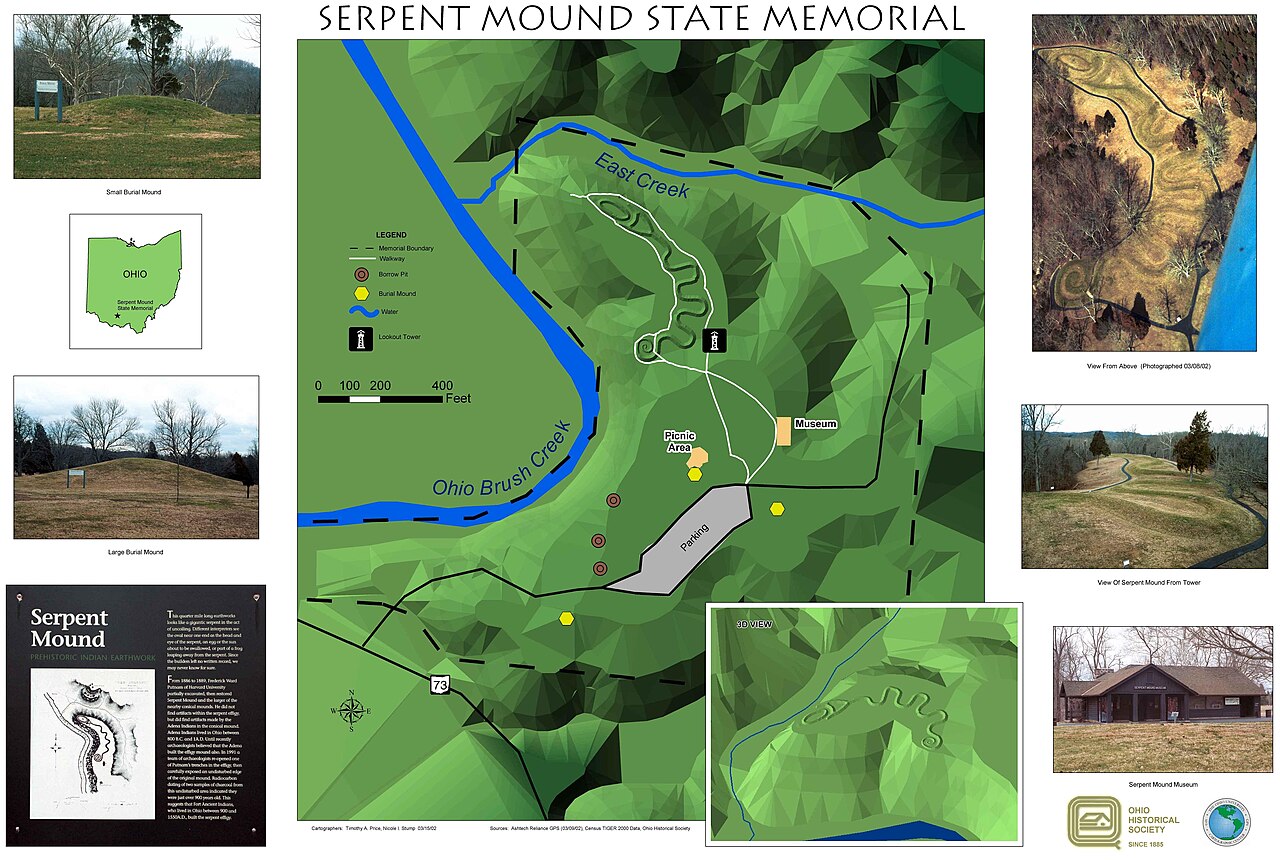
An instrument validated as astronomy: exact where the target is exact (Göbekli 1.4′, Serpent Mound 0.04°), honest where it is blind (Callanish parallax, Stonehenge cremations), and willing to refute famous claims (Regulus, the Megalithic Yard) on locked criteria. Five self-caught errors so far — every one resolving toward honesty rather than hype.
IIIThe population tests: can it tell siblings apart?
A single alignment can be luck. A whole population pointing the same way is a signal. Tests 43, 49, and 50 asked whether an entire class of monuments points at the Sun, the Moon, or the stars — using the same locked machinery each time, in azimuth space (a lesson learned the hard way: the declination transform is densest at the southern extreme, so testing significance there manufactures false southern peaks).
Clava cairns (n=11, ~50 km away) R=0.911 p=1×10⁻⁵ → SUN
Maltese temples (&Gcaron;gantija phase, n=9) R=0.913 p=9×10⁻⁵ → STARS
This is the part we are proudest of. Two closely related Scottish monument classes disagree — the recumbent circles point at the Moon at its southern major standstill (86% point too far south for the sun to ever set there), while their Clava cousins point at the midwinter Sun — and the engine adjudicated both with identical locked rules without forcing them to agree.
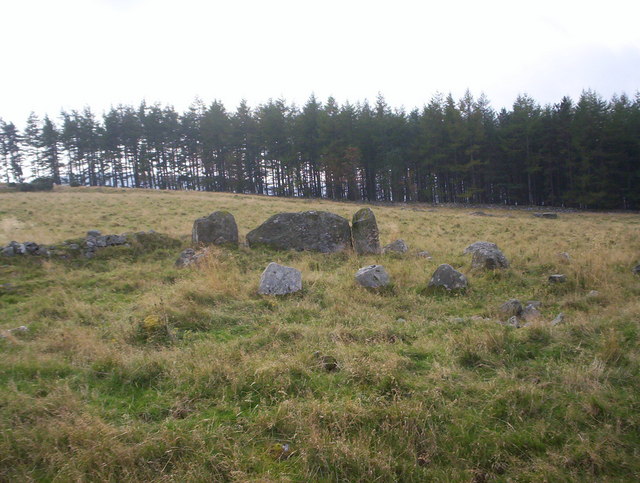
Then Malta added a third target class entirely: stars, whose declinations drift over millennia and had to be computed by rewinding the sky to 3300 BCE. The nine oldest temples cluster tightly — a 1-in-11,000 chance against randomness — with a declination centroid at −35.3°, deep in the southern-star band, about 11° south of the winter Sun and past the Moon's most extreme setting point. The engine independently reproduced a peer-reviewed 2025 finding (Silva & Lomsdalen) by a completely separate route.
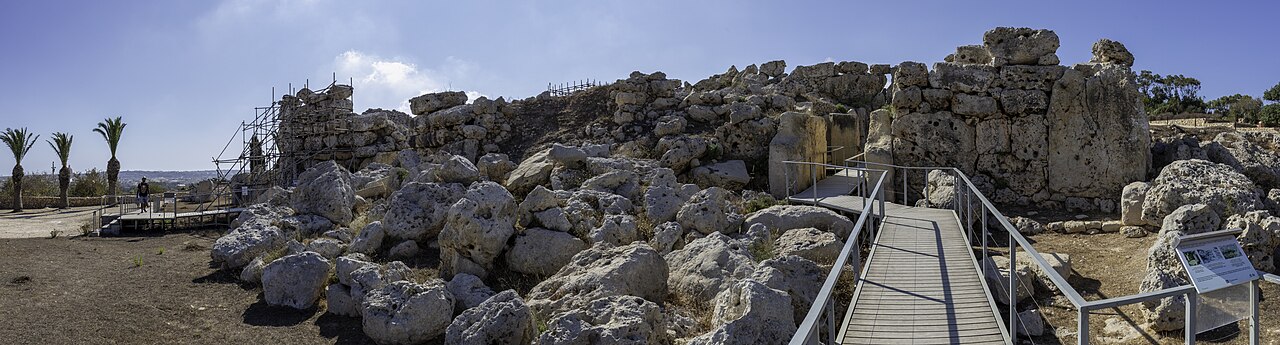
On Malta, the digitized survey table came back with positive declinations — impossible for a temple facing southeast at 36°N. An optical scan had silently dropped every minus sign. We caught it in the pre-registration, refused the corrupt column, recomputed every declination from azimuth + altitude + latitude, and verified the transform against an independent expert's published values. Had we trusted the bad data, every number — and the entire verdict — would have been wrong-signed. That is the membrane doing precisely the job it exists for.
An honest word on the debate: our Malta result replicates one specific, recent, still-minority position — it does not settle the field. There is no dominant astronomical theory for the Maltese temples. A solar camp points to a winter-solstice reading and the confirmed equinox light-beam at Mnajdra; a stellar camp (Silva, Lomsdalen, Hoskin's Southern Cross) points south; and a large skeptical mainstream attributes the southern bias to terrain, wind shelter, and social ritual. Our instrument validates a method reaching the same conclusion as a peer-reviewed study; it cannot distinguish deliberate star-targeting from a terrain-driven bias the stars happened to occupy. We say so plainly.
IVThe test we most wanted to pass, and didn't
Everything above validates the engine as astronomy. But the Scalar Flower Model's distinctive claim was never about stones. It was about people: that the "vertical breath" of the lunar node — its declination amplitude at birth — carries meaning about a human life. Tests 46–48 put that claim on real human data, with confound-free designs and locked criteria. We stated our honest prior first: under 5% chance of a real effect.
In Test 46, lunar breath-state against Olympic medaling across 11,538 athletes, the raw effect looked publishable — 17.6% versus 14.4%, p=0.014 — and then the pre-registered control proved it was 98.9% a birth-year artifact. Test 47, the de-aliased version, was flat, centered on zero, and directionally wrong. Test 48, lunar declination against longevity across 32,507 people, got the sign right but the magnitude was +0.31 years across the entire range, p=0.34 — a coin landing heads.
A null was the expected, respectable outcome. The real story is that in Test 46 the raw analysis produced an apparent effect that looked publishable — and the pre-registered control proved it was entirely a calendar artifact. The catch caught it. That is worth more than any positive result we could have manufactured. The astronomy engine stands validated; the model's interpretive claim about people receives zero support; and the membrane keeps those two facts cleanly separated — which is the whole point.
VThe ledger, in full
Fifteen tests. Five self-caught errors, every one resolving toward honesty. Three famous claims refuted on locked criteria — Regulus, the Megalithic Yard, Hancock's Serpent Mound date. Three populations adjudicated — Moon, Sun, and Stars — that disagree with each other. One peer-reviewed result independently replicated. Three clean nulls on our own most cherished hypothesis.
An instrument is only as trustworthy as the number of times it has told its builder something they didn't want to hear. By that measure, this one has earned its keep.
The full method — every pre-registration, null model, sanity anchor, and the arcminute-level results — is written up as a formal validation paper. If you want the machinery rather than the story, read the white paper.